For Informational Purposes Only
The articles below are provided for general educational purposes only and are not a substitute for professional medical advice. Please read our full medical disclaimer before relying on any information found here.

Patient positioning in the post-anesthesia care unit (PACU) is a fundamental yet often underappreciated component of perioperative safety. Positioning
Read More →
Dexmedetomidine, a selective a2-adrenergic receptor agonist, has become widely used for its sedative, analgesic, and anxiolytic properties and its lac
Read More →
Safe pain management for pregnant patients poses a unique clinical challenge due to physiological changes, fetal considerations, and ethical constrain
Read More →
Residency programs serve as the cornerstone of physician training in the United States, providing new doctors with supervised, hands-on clinical exper
Read More →
Sugammadex, a modified γ-cyclodextrin, has revolutionized the reversal of neuromuscular blockade, particularly for agents such as rocuronium and vecur
Read More →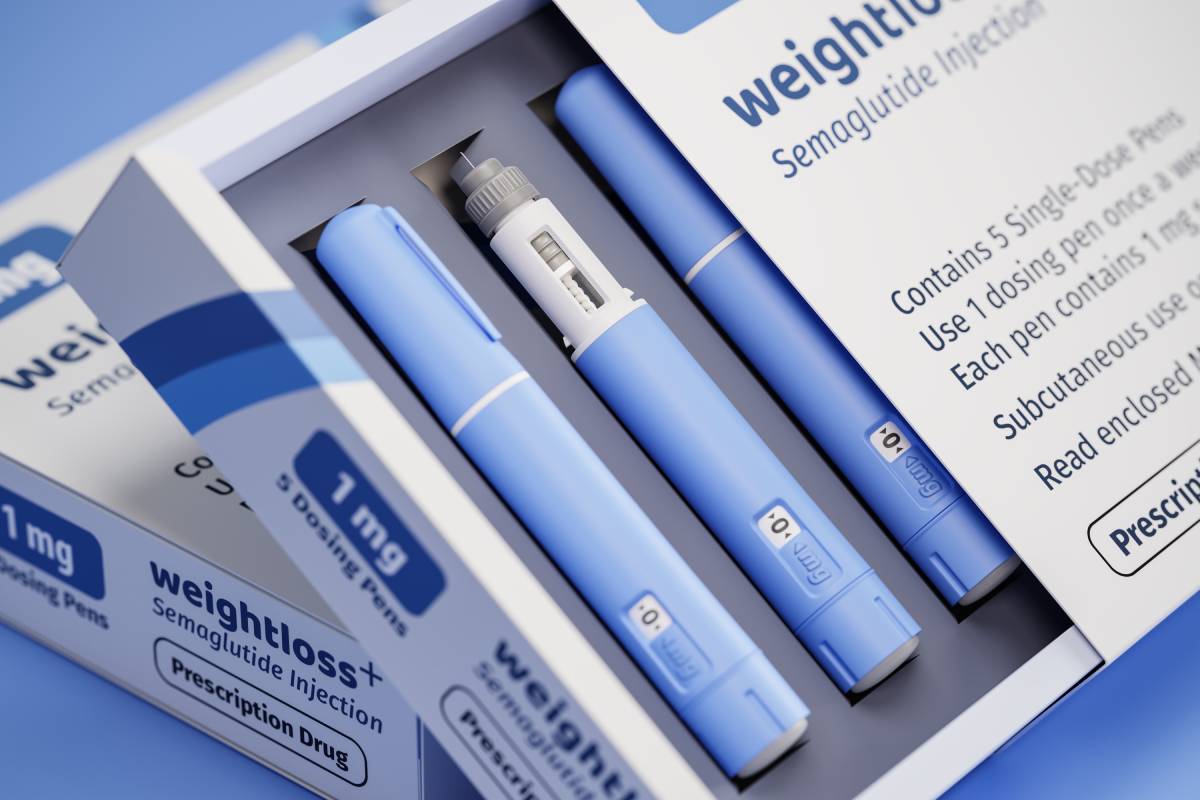
Glucagon-like peptide-1 (GLP-1) receptor agonists, such as semaglutide (Ozempic®, Wegovy®) and liraglutide (Saxenda®, Victoza®), are increasingly pres
Read More →
Benzodiazepines serve an important role in anesthesia due to their anxiolytic, sedative, amnesic, and muscle-relaxant properties (1). These drugs enha
Read More →
Anesthesia has played a pivotal role in advancing patient safety, transforming the landscape of surgery and critical care. The field has placed patien
Read More →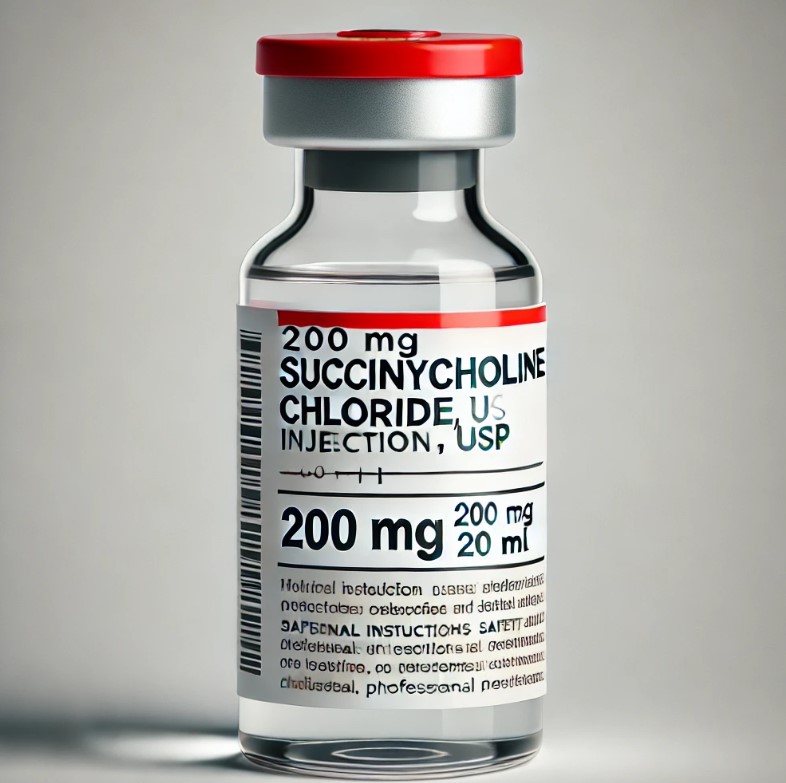
Succinylcholine is a widely used neuromuscular blocking agent in anesthesia, valued for its rapid onset and short duration of action. It has historica
Read More →